

Action 10
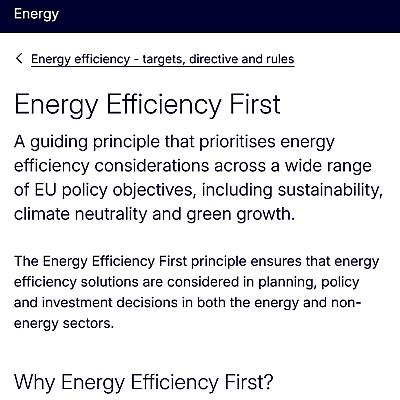
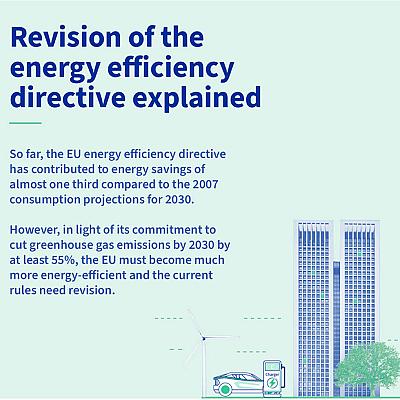
Prioritise energy efficiency and improve it in all sectors
ROADMAP PROGRESS
The 2025 GARI reports a varied picture in prioritising and improving energy efficiency across sectors. Several WB6 have strengthened policies, increased implementation of energy efficiency measures or expanded institutional capacity, while others show little change or a slight decline, reflecting difficulties in sustaining momentum or translating policy commitments into tangible results. Some WB6 already operate with a relatively high level of energy-efficiency prioritisation, where incremental gains reflect continued fine-tuning rather than major structural reform.
Structural indicators point in the same direction. The ratio of final energy consumption to gross available energy and energy-intensity values vary considerably across the WB6, but energy-intensity trends are uniformly negative in all WB6, indicating that the amount of energy required to generate economic value is declining, although at different rates. Overall, the region is moving towards greater energy efficiency, but the pace and scale of improvement vary according to economic structure, energy management and policy effectiveness.
The 2025 GARI nevertheless cautions that apparent improvements in energy intensity should be interpreted carefully. There is insufficient analysis of the quality and long-term sustainability of nominal GDP growth, particularly once the current phase of infrastructure- and tourism-related construction slows, meaning that observed improvements may not fully represent durable efficiency gains. Transport illustrates this concern: despite improvements in vehicle technology and efficiency, fuel consumption has continued to rise with growing reliance on road transport. This trend requires sustained policy attention to energy efficiency, energy security and air pollution.
Despite the overall decline in energy intensity, the GARI concludes that substantial further improvement is needed for the WB6 to approach the EU average, both in converting gross available energy into final energy consumption and in using energy efficiently to generate economic output.
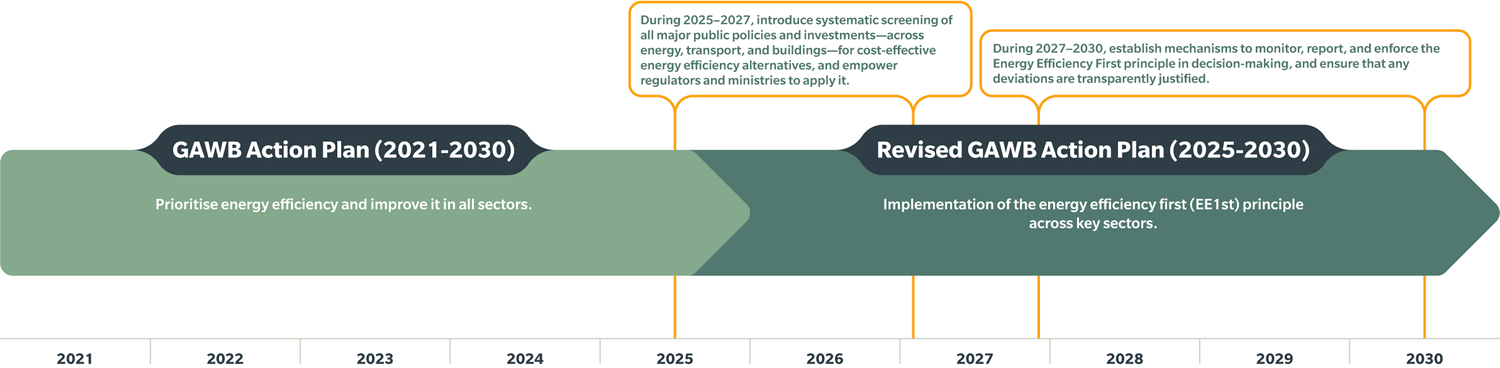
Note: Action 10 of the first Green Agenda Action Plan (2021–2030) is retained in the Revised Action Plan (2025–2030) under Action 6, which operationalises the Energy Efficiency First principle across key sectors. The revised action shifts emphasis from general prioritisation of energy efficiency towards systematic screening of major policies and investments, alongside strengthened monitoring and enforcement mechanisms to ensure effective implementation.
Source: Energy Community Secretariat (2025) Annual Implementation Report of the Acquis under the Treaty Establishing the Energy Community, November 2025. Data compiled in Regional Cooperation Council (RCC) (2025) Report on the Implementation of the Green Agenda for the Western Balkans Action Plan (GARI 2025), Table 4.
Source: Energy Community Secretariat (2025) Annual Implementation Report of the Acquis under the Treaty Establishing the Energy Community. Vienna: Energy Community Secretariat. Data reproduced in: Regional Cooperation Council (RCC) (2025). Report on the Implementation of the Green Agenda for the Western Balkans Action Plan (GARI 2025), Table 5. Sarajevo: RCC.
Source: Energy Community Secretariat (2025) Annual Implementation Report of the Acquis under the Treaty Establishing the Energy Community, November 2025. Data reproduced in Regional Cooperation Council (RCC) (2025) Report on the Implementation of the Green Agenda for the Western Balkans Action Plan (GARI 2025), Figure 1. Sarajevo: RCC.
Source: Energy Community Secretariat (2024) Annual Implementation Report of the Acquis under the Treaty Establishing the Energy Community, November 2024. Data compiled in Regional Cooperation Council (RCC) (2024) Report on the Implementation of the Green Agenda for the Western Balkans Action Plan (2024 GARI), Table 2.2.5.
Source: Energy Community Secretariat (2024) Annual Implementation Report of the Acquis under the Treaty Establishing the Energy Community, November 2024. Data compiled in Regional Cooperation Council (RCC) (2024) Report on the Implementation of the Green Agenda for the Western Balkans Action Plan (2024 GARI), Table 2.2.5.
Source: Energy Community Secretariat (2024) Annual Implementation Report of the Acquis under the Treaty Establishing the Energy Community, November 2024. Data compiled in Regional Cooperation Council (RCC) (2024) Report on the Implementation of the Green Agenda for the Western Balkans Action Plan (2024 GARI), Table 2.2.5.
Transport fuel consumption, Western Balkans Six (1990-2022)
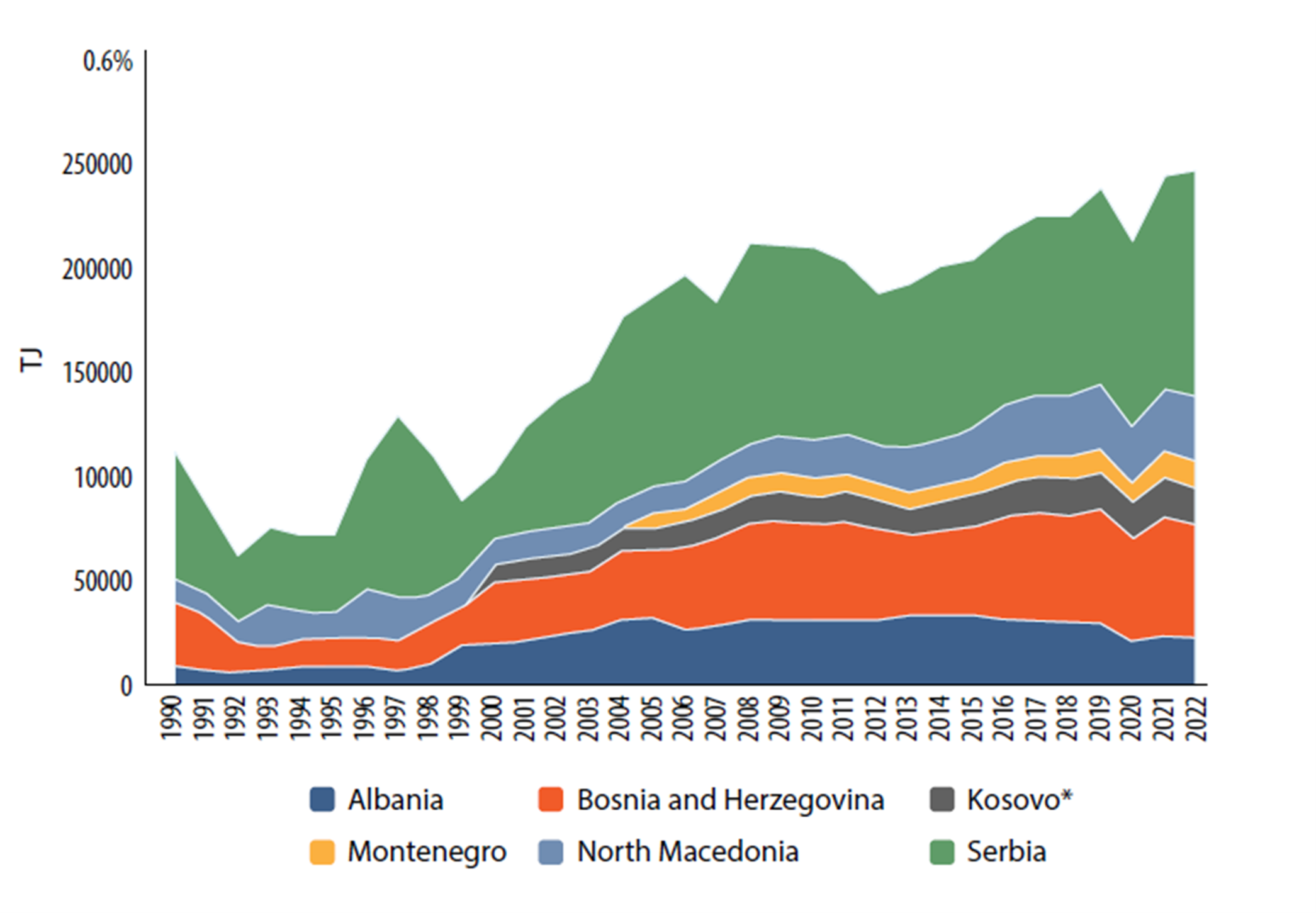
Source: Energy Community Secretariat (2025) Annual Implementation Report of the Acquis under the Treaty Establishing the Energy Community, November 2025. Data compiled in Regional Cooperation Council (RCC) (2025) Report on the Implementation of the Green Agenda for the Western Balkans Action Plan (GARI 2025), Figure 1.